
Meet the Matchday Organisers, Coaches, and the People Who Keep the Standard Clear for Amateur Football League

The People Who Explain the Game and Protect Its Standards

Amateur football relies on organisers, coaches, and people who support the community around the team. Their responsibilities include matchday arrangements, player development, training, and communication with supporters. The profiles below illustrate these roles using the names featured on this site. They are not a record of professional appointments, contracts, or achievements. A well-prepared match depends on these responsibilities fitting together. Organisers share practical information early enough for players to plan their arrival. Coaches choose exercises that support the football the team wants to play. Someone also needs to consider how new participants and supporters are welcomed. In a small group, one person may handle several of these tasks. What matters is that the work is understood and that important details are not left to assumption. The profiles give each area a separate focus so readers can recognise the different contributions. Together, they show how organisation, technique, training, and community support affect the same week of football. You can read them alongside the preparation articles to connect each responsibility with a practical example. The purpose is to explain how people support a team before, during, and after a match, including the work that spectators may not immediately see. Clear communication helps these separate tasks support the same priorities and gives players a more dependable routine.

Write to the People on This Page
Alex Rivera in a green jacket, standing on a grass pitch
Alex Rivera

Matchday organiser. Alex focuses on practical arrangements before kickoff. He helps teams understand where to meet, when to warm up, and which instructions apply to the match. Clear communication with captains and officials helps the day run smoothly. He makes practical information easy to find and checks that changes reach the people affected. A clear meeting time gives the team enough room to prepare, while agreed responsibilities reduce last-minute confusion. Questions about equipment or access can then be handled without interrupting the coach's final instructions. The profile highlights a role that often receives little attention once play begins, even though its contribution affects the whole afternoon. Dependable arrangements allow players and officials to focus on their own responsibilities and help visiting teams feel properly informed.

Ask a Matchday Question

Maya Chen in a navy tracksuit, holding a football in front of a goal
Maya Chen

Player development coach. Maya focuses on ball control, passing, and movement. She breaks exercises into clear steps, gives specific feedback, and lets players practise against opposition. Her work helps individuals use their skills more effectively within the team. Her approach connects an individual action with the next decision. After receiving the ball, a player needs to recognise whether to turn, protect possession, or pass. A good exercise gives them a reason to make that choice rather than repeat a movement without understanding it. Maya's profile also emphasises patience. Players need time to adjust and opportunities to use feedback in another attempt. The aim is consistent progress that helps the group, including accurate passes to teammates and movement that creates another option after the ball is released.

See the Actions These Coaches Care About

Jonah Blake in a black shirt, holding a whistle on the pitch
Jonah Blake

Training coach. Jonah plans exercises that combine technique, movement, and decision-making. He works on defensive cover, recovery runs, and maintaining organisation as players become tired. Clear objectives help the group understand the purpose of each session. He looks at whether players can carry out the plan together, rather than only complete an exercise individually. A forward pressing the ball needs support behind them, while a defender stepping forward needs someone to cover. Training gives the group time to rehearse those relationships. The profile also recognises the value of reviewing a session: which instructions were clear, which actions need more practice, and whether the difficulty suited the players. That feedback helps connect the following week's work with the situations that occurred during the match.

Read How Training Is Organised
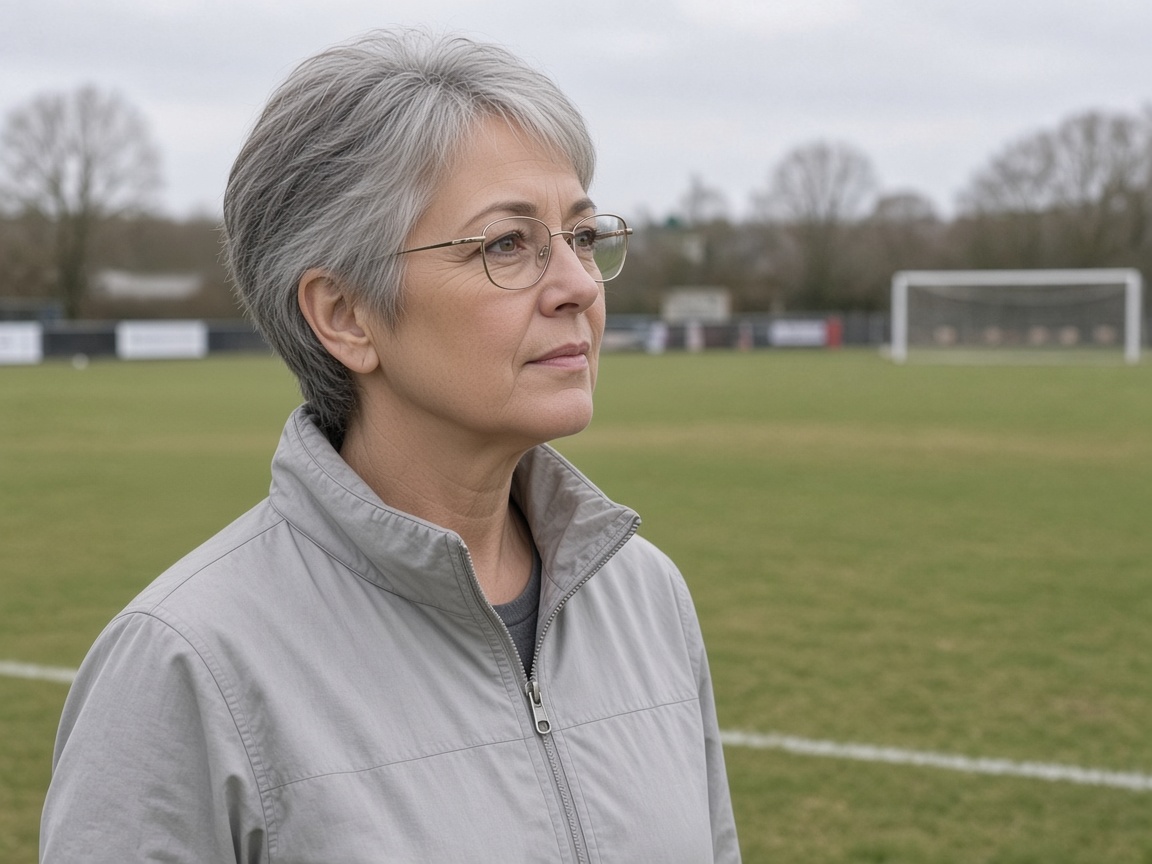
Elena Voss in a grey jacket, looking across a pitch toward a goal
Elena Voss

Supporter and community guide. Elena helps create a welcoming atmosphere around the pitch. She supports new spectators, encourages respectful behaviour, and helps keep communication between the team and its supporters constructive. A new supporter may want to understand a rule or know where to stand without getting in the way. A visiting team may need a straightforward welcome and clear directions. Small acts of consideration can make the afternoon easier for everyone. Elena's profile represents that attention to people around the game. Encouragement is part of the atmosphere, but it should remain respectful towards opponents and officials. Community support also includes recognising volunteers and helping different groups share the same space comfortably throughout the match.

Read Why the League Values Fair Play
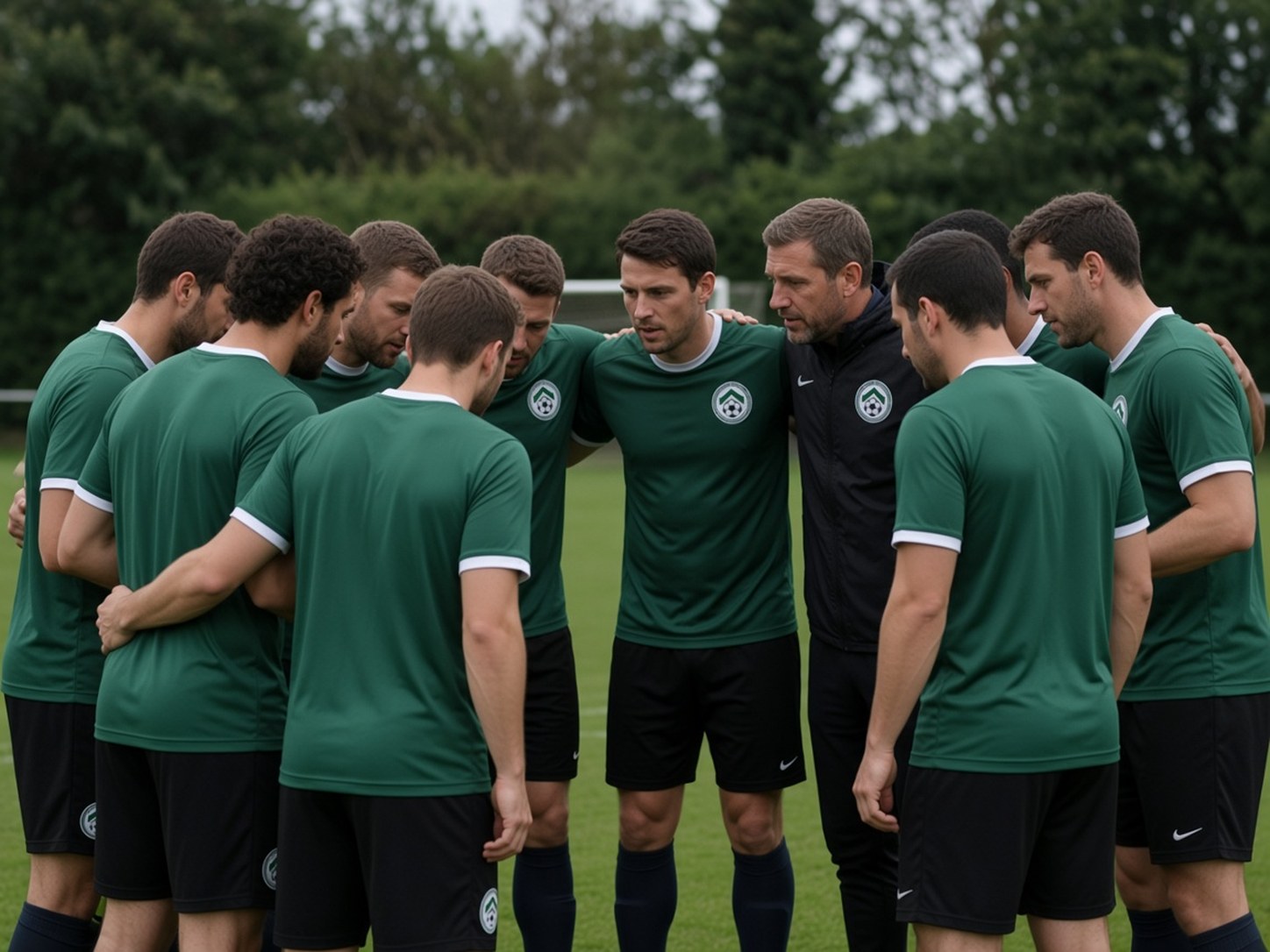
A coach in black stands inside a huddle of players in green shirts

How These Roles Fit Together on a Match Week

The four roles work together throughout the week. The organiser confirms arrangements, the coaches agree on training priorities, and the community guide keeps in touch with supporters. Sharing information helps everyone prepare for the same matchday plan. A simple conversation early in the week can prevent conflicting priorities. If the coach wants to practise a particular defensive movement, the training plan should provide enough time for it. If arrangements change, the organiser needs to tell the people planning the session. Feedback from players and supporters may also reveal practical issues that are easy to address in advance. This cooperation does not require everyone to do the same job. It requires them to understand how their tasks affect others. Keeping responsibilities visible helps the group prepare consistently and leaves more time for the football itself. A shared review can then establish whether the arrangements and training priorities supported the match as intended.

During a match, clear responsibilities help the staff support players consistently. Tactical instructions come from the coach, while the organiser handles practical questions. Afterwards, the group can review what worked and agree on priorities for the following week. A player should be able to recognise which instruction to follow without hearing several competing opinions from the touchline. Clear roles make that possible. Staff can note issues during play and choose an appropriate time to discuss them rather than interrupting every action. After the match, their different perspectives can contribute to a fuller review. The organiser may identify a practical difficulty, while the coaches can discuss technique and team movement. Bringing those observations together helps the group agree on a useful response. The aim is a coordinated approach that gives players consistent support across training and competition. It also allows each person to concentrate on the responsibilities they have prepared to carry out.

See the Three Stages of Preparing a Team

Standards the Staff Are Asked to Keep Visible in Training and on Matchday

Demand for Skill, Not Only for Effort

Useful coaching feedback describes an action the player can improve. It might concern checking for a teammate, choosing a pass, or covering a defender. Recognising progress and explaining mistakes clearly helps players make better decisions. A midfielder who loses possession may need to check their surroundings sooner or receive at a different angle. The coach can demonstrate that adjustment and create another chance to try it. The instruction then has an observable purpose. Praise can be equally specific: recognising a supporting run explains why the action helped, even if the player did not receive a pass. This approach gives players something they can repeat. It also makes a review less dependent on general labels such as effort or confidence. The discussion remains focused on football actions and the decisions that make them useful. Over several sessions, those clear observations help players recognise their own progress and understand which details still need work.

The Same Words in Training and in the Match

Training instructions and matchday expectations should be consistent. Players need time to understand their responsibilities and practise them. Coaches who share a clear plan help the team stay organised and give less experienced players more confidence. A team can still adapt its plan, but the reason for a change should be explained. If the opponent creates an unexpected problem, the coach can identify it and describe how responsibilities will shift. Players are more likely to respond together when they understand that connection. Staff can support this process by agreeing on common terms and avoiding contradictory messages. Consistency also matters after mistakes. The same standards should apply to experienced players and newcomers, with feedback that makes the next action clearer. That dependable approach helps people trust the preparation and remain willing to ask questions when something is uncertain. It gives the group a stable basis for adjusting to the unpredictable moments that occur in a match.

A Touchline That Helps the Game

A welcoming touchline makes football more enjoyable for players and spectators. Greet visiting teams, encourage good play, and treat officials respectfully. Supporters can show enthusiasm without insulting others or creating unnecessary tension. That atmosphere is built through repeated behaviour. A calm response to a disagreement, a clear explanation for a newcomer, and appreciation for volunteers all contribute. Families should be able to watch without feeling drawn into personal arguments. Visiting supporters should understand that they are welcome to encourage their own side. Players notice the mood around the pitch, particularly when a match becomes close or frustrating. A supportive environment helps them stay focused on the game. The community role described here is about maintaining those everyday standards and recognising that the experience of a match belongs to more people than the starting eleven. Those contributions help make local football a place where people can compete, learn, and continue taking part.

Offer Your Help to the League’s Football Work

If you have experience in coaching, organising matches, or supporting a football community, you can introduce yourself through the form below. Describe the responsibilities you know and the contribution you would like to make. Sending an introduction does not confirm a role. A useful introduction explains both your experience and your interests. You might be comfortable setting up exercises, coordinating equipment, working with goalkeepers, or helping new supporters. Describe a few practical tasks you have handled and the type of involvement you are seeking. If you are still developing your experience, say which areas you would like to learn more about. The purpose of the form is to provide an introduction, so a clear description is more useful than broad claims about enthusiasm. You do not need to include unnecessary personal information or private details about people you have worked with. The profiles above can help you identify which responsibilities are closest to your own experience. Use them as a guide to describing the football work you understand and the contribution you would like to discuss.

Relevant experience can include planning sessions, helping young players, organising equipment, or welcoming supporters. Explain what you have done and which part of amateur football interests you. Clear, practical examples make your introduction easier to understand. The examples you choose can be simple. Explaining how you kept a group informed about arrangements shows organisational experience. Describing an exercise you helped run can show how you communicate instructions. Helping a new player settle into a team demonstrates attention to the people involved. What matters is that the example makes your contribution understandable. You can mention whether your experience comes from regular club involvement, occasional volunteering, or another relevant setting. Avoid presenting an introduction as an application for a role that has already been confirmed. It is a way to explain your background and the part of the game you would like to discuss. A specific example provides more useful context than a list of general qualities and keeps the introduction focused on practical experience.

Enter your name, email address, and a short introduction. You may include a link to a profile or CV that you are comfortable sharing. The form sends these details with the page request and opens a thank-you screen. It does not create an account or reserve a position. Please leave out sensitive information. Before submitting, check that your contact details and any optional link are accurate. A short note should explain the main area of your experience and why you are getting in touch. If you share a profile, use a link intended for that purpose rather than adding private documents. Keep information about other people out of the introduction unless it is necessary and appropriate to share. The form is designed for a brief message, and the thank-you page marks the end of that form flow. It does not establish an appointment or confirm a responsibility within a team. If you are asking a general question about the website rather than introducing your experience, the contact page provides the relevant context and contact options. Keeping the purpose clear helps distinguish an introduction from an enquiry about one of the articles.