Match Gallery – Duels, Preparation, Training Drills, and Respect After the Whistle on Amateur Pitches
Browse scenes of players competing for possession, preparing for kickoff, shooting, training, and greeting opponents after a match. Use the filters to explore each part of the game. The photographs illustrate the topics discussed on this site and do not document official results. Each scene represents a different part of participation in the sport. A contest for the ball highlights balance and timing. Preparations before kickoff show the care that helps players feel ready. A training exercise connects individual technique with the repetition needed to improve it. The moments after a match show how opponents acknowledge one another once competition has ended. Viewing these scenes together gives a broader impression of amateur football than a collection of goals alone. The captions describe the visible action so you can connect an image with the topics discussed in our articles. They do not establish what happened before or after the photograph. Use the gallery as a visual introduction, then explore the preparation and training sections for a fuller explanation of the decisions involved. The emphasis remains on recognisable actions, shared effort, and respect around the pitch.
Contact the League and Ask About the Competition
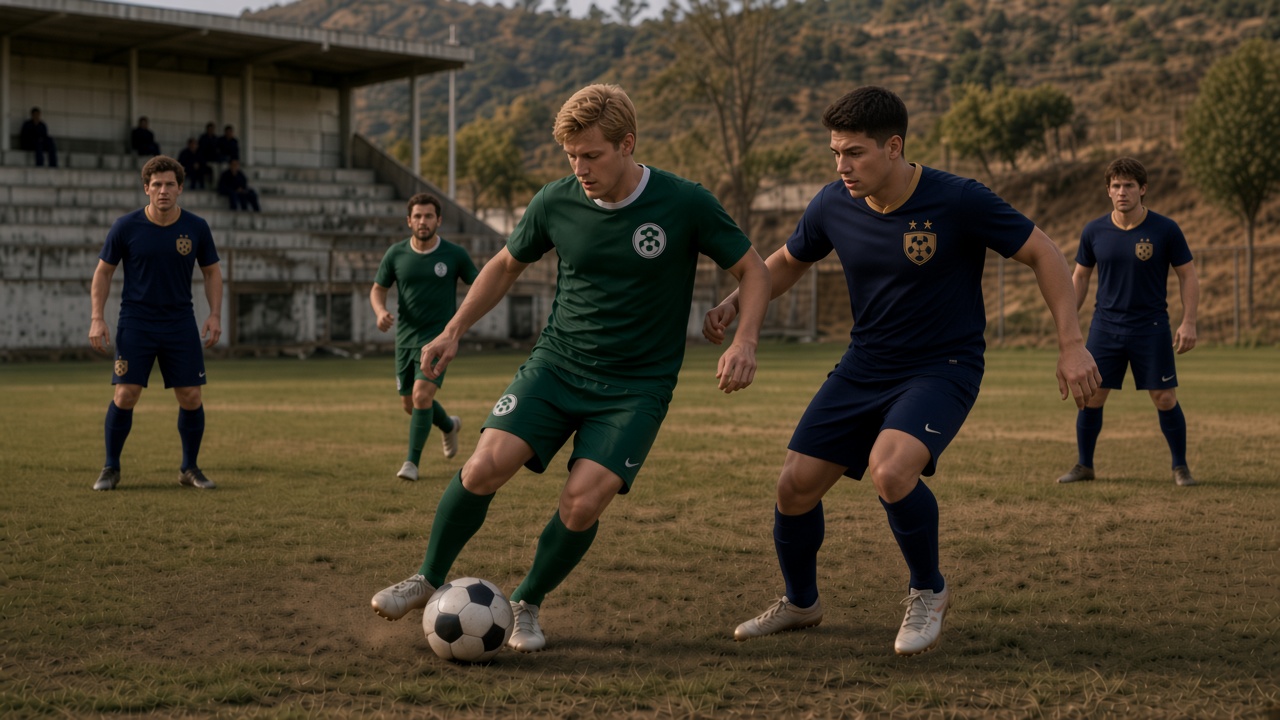
Featured Scene / Competing for Possession
The photographs show how players position themselves, protect the ball, and respond to an opponent. These details connect to the techniques discussed in our articles. A single image captures a moment of play without explaining the full match or its result. A player keeping their body between an opponent and the ball may be trying to gain time for support to arrive. The challenger has to consider the direction of movement and whether the ball can be reached legally. Those decisions can happen quickly, but a photograph gives the viewer time to examine the positions involved. It can also raise useful questions about the action without answering every one of them. We cannot know a player's full intention or the outcome of a move from one frame. The accompanying articles provide general explanations of technique and teamwork that help place the scene in context. Together, the text and photographs offer a way to discuss common football situations while staying clear about what an individual image can show. They encourage readers to connect visible details with a wider understanding of the game.
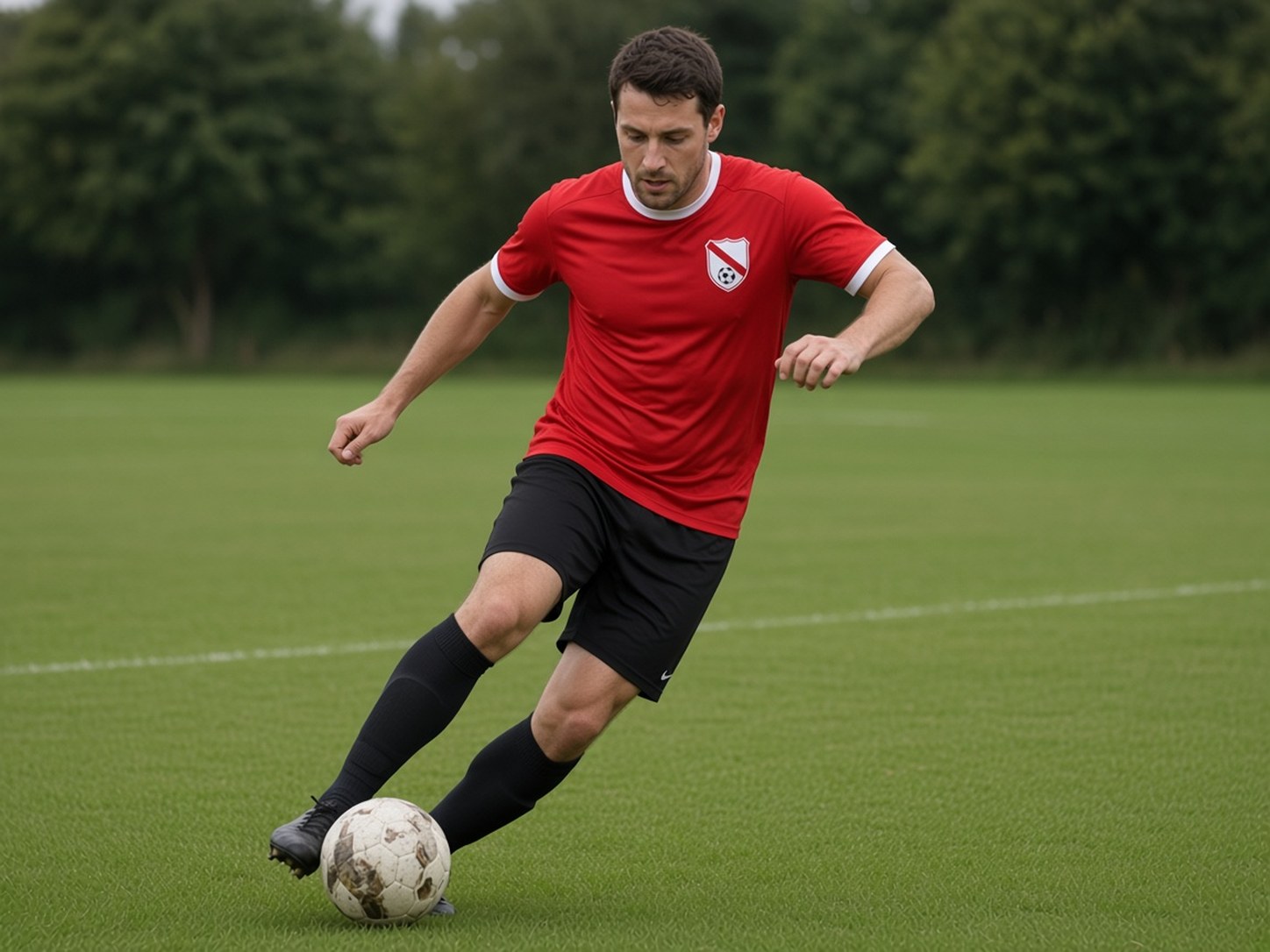
Other scenes focus on shooting, training exercises, and the handshake after the final whistle. Together, they show the preparation and respect that accompany competition. The gallery offers a visual introduction to the subjects covered throughout the site. The relationship between preparation and performance is particularly useful to explore. A player may practise changes of direction in a simple exercise before having to use the same control against an opponent. A shot during a game may involve adjusting to a moving pass rather than striking a stationary ball. The photographs provide examples of these different settings without suggesting that one exercise explains an entire performance. The closing scenes matter too. A respectful greeting after the whistle helps acknowledge that both teams contributed to the contest. Supporters and teammates are part of that setting, sharing the result and the atmosphere around it. Browse the sequence at your own pace and connect the scenes with the subjects that interest you, whether that is technique, preparation, or the social side of local football. Each topic has a place alongside the excitement of competition.
Read the Notes on Halftime, Saves, and Narrow DefeatsChallenges for possession require balance, timing, and awareness of the opponent. Players use their positioning to protect the ball or attempt a legal tackle. These scenes illustrate the technical decisions involved in a close contest. The player in possession often needs help from teammates as well as individual control. A nearby passing option can reduce the time spent protecting the ball and allow play to continue. The defender may also be working with a teammate who covers the space behind the challenge. These relationships are easier to understand when we consider the positions around the ball. In training, coaches can create small games that allow players to practise protecting possession, offering support, and choosing when to tackle. The images provide a starting point for that discussion. They show the physical closeness of a contest, while the articles explain the wider decisions that can make it effective and fair. Balance, awareness, and cooperation are useful subjects to explore in both settings. A clear explanation helps connect an individual challenge with the needs of the whole team.
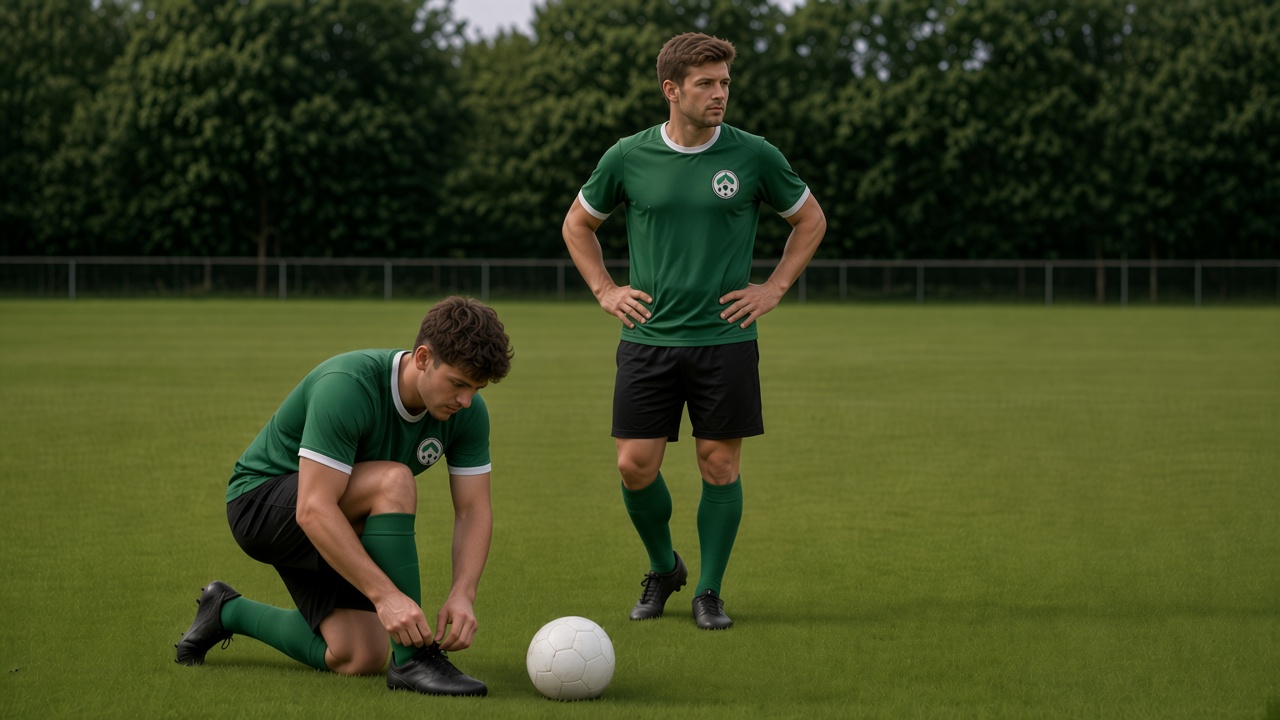
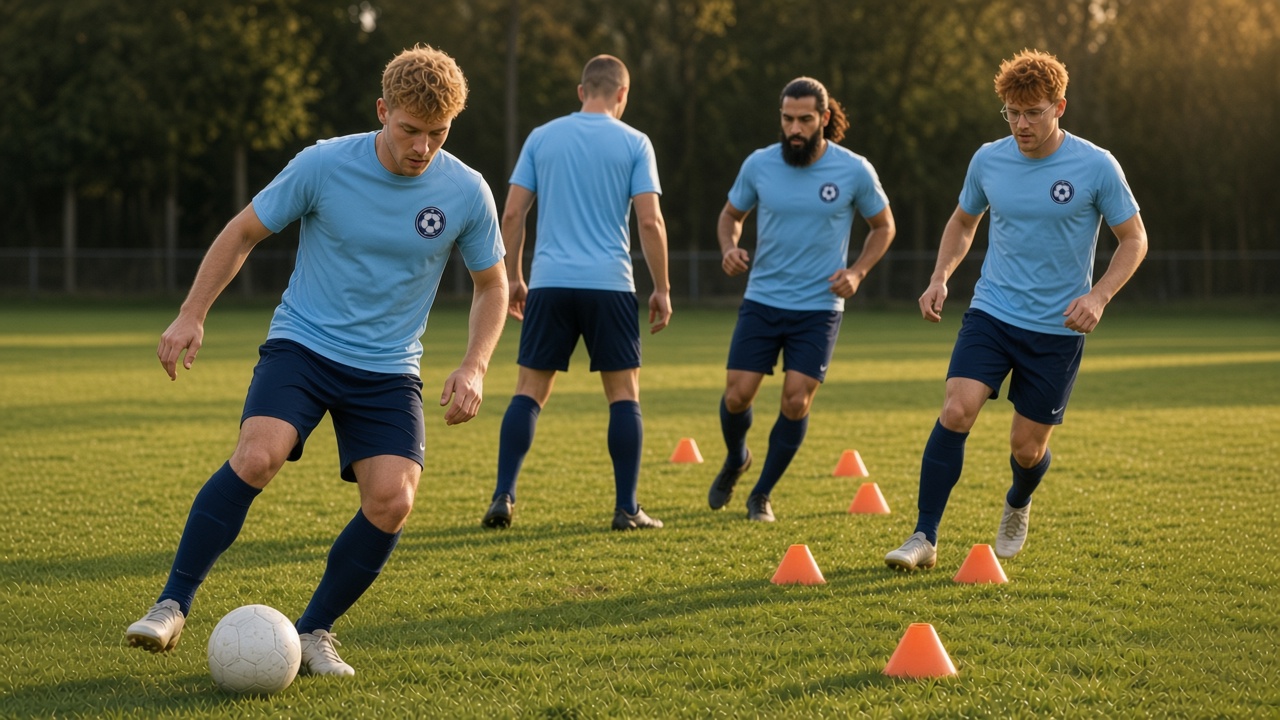
Preparation includes checking equipment, warming up, and practising with the ball. Exercises with cones can help players work on control and changes of direction. Regular practice gives them more confidence when applying those skills in a match. A simple exercise becomes more purposeful when players understand the objective. Moving between cones may involve keeping the ball within reach, looking ahead, or changing speed while remaining balanced. The coach can demonstrate the action and then adjust the task as the group becomes more comfortable. Adding a teammate or an opponent introduces decisions that are closer to those found in a match. Preparation also includes everyday details such as suitable equipment and arriving with enough time to join the group. These routines support the football work rather than distract from it. The gallery recognises that much of a player's development takes place during ordinary practice, away from the moments that attract the loudest reaction. Consistency in those sessions helps players become more comfortable with familiar actions and gives coaches a useful basis for introducing new challenges.
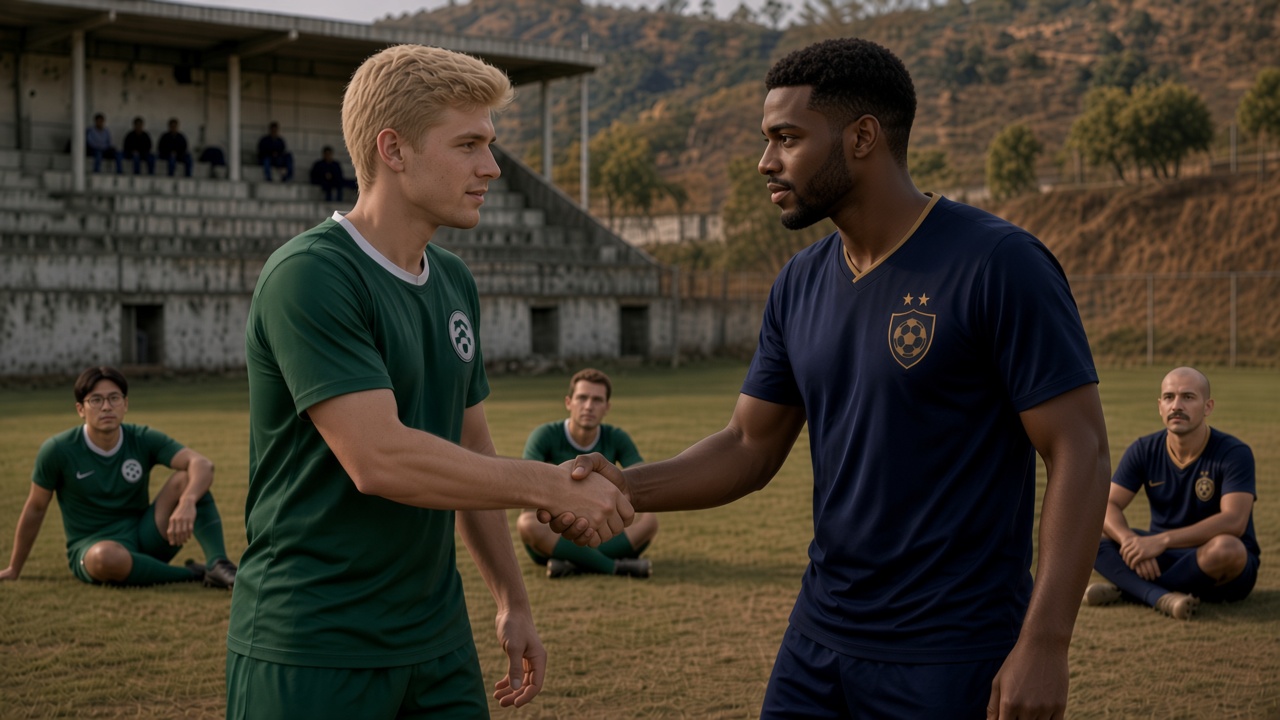
A handshake after the final whistle recognises the effort of both teams. Players can be disappointed with a result while remaining respectful towards opponents and officials. That attitude helps maintain a positive atmosphere in amateur football. Respect is visible in more than the final greeting. Players show it by helping someone up, giving space when an official is speaking, and avoiding unnecessary confrontation after a challenge. Coaches and captains can reinforce those expectations throughout the afternoon. The end of a match provides a natural opportunity to recognise the effort involved, regardless of whether the result was satisfying. A team may still need to discuss mistakes or a disappointing performance later. Acknowledging the opponent does not prevent that honest review. It simply keeps the competitive experience within a shared understanding of how people should be treated. The photographs accompany that principle without claiming to describe every event in the match. For local football, those everyday standards help create an atmosphere in which people are willing to return and compete again.
Our articles explain the tactics and training ideas related to these scenes. Read about pressing, passing, goalkeeping, and the adjustments a coach can make at halftime. The examples are intended to explain football situations rather than report official results. A photograph of a challenge can lead into an explanation of defensive support. A training scene can introduce the purpose of receiving and passing exercises. A goalkeeper's position can prompt questions about preparation before a shot. Following those connections helps readers move from recognising an action to understanding some of the choices behind it. The articles are written for supporters as well as players and coaches, so the discussion focuses on clear examples. You do not need to know a particular formation to begin. Start with the action that interests you and read how it relates to nearby teammates, opponents, and available space. That wider context often explains why a simple movement makes a difference. You can return to the gallery afterwards and compare the explanation with the visible positions, while remembering that a single frame cannot establish the whole sequence.
If you have a question about a photograph or an article, use the contact page. Describe the scene and the point you would like explained, such as a player's positioning or the purpose of an exercise. The form is for enquiries and does not register participants for a competition. A useful question might concern where a supporting player should stand or how a coach can turn an isolated exercise into a small game. Mention which image you mean and describe the visible action. This avoids confusion when several scenes include similar shirts or equipment. If your question comes from personal experience, a brief description of the football situation is enough; there is no need to include private details about other players. You can also browse the training and preparation pages first, since they explain several of the techniques represented in the gallery. The aim is to connect observation with a clearer understanding of the game and give readers a practical way to continue exploring the subject. Specific questions help keep that discussion focused on the football rather than assumptions about a photograph's background.
Contact the League Explore How Teams Prepare to Compete