Enjoy competitive matches, committed teamwork, and the excitement of amateur football.
Amateur football brings together players who enjoy competition and want to improve. A successful performance depends on preparation, communication, and coordinated movement. Defenders cover each other, midfielders create passing options, and forwards look for space near goal. Our articles explain these parts of the game through practical examples. They cover match preparation, tactical decisions, and the lessons teams can take from both victories and defeats. A useful example is the way a team responds after losing possession. The nearest player slows the opponent down while teammates return to their positions. The midfield protects the space in front of the defence, and the forwards remain available for the next attack. Those movements depend on players recognising the same situation and understanding their responsibilities. Preparation makes that cooperation easier. A coach can rehearse the sequence during the week, then review whether it worked in the match. Supporters can follow the same details by watching the players away from the ball. An overlapping run may create the space for a pass even when the runner never receives it. A defender who stays in position may prevent a chance without needing to tackle. These contributions are part of the performance, and they deserve attention alongside goals and saves. Our examples explain such moments in accessible language so readers can connect what happens on the pitch with the work done in training.
Explore Match PreparationTraining helps players control the ball, pass accurately, and make decisions when opponents are close. Useful sessions combine technical exercises with realistic game situations. Players practise receiving a pass, looking for a teammate, and moving after releasing the ball. Fitness work also helps them recover their defensive positions and remain focused late in the game. After each match, coaches can identify a few areas to practise in the next session. Steady progress comes from clear feedback and regular practice. A passing exercise becomes more useful when the receiver has to check where an opponent is standing before the ball arrives. The player can then choose whether to turn, pass back, or move the ball towards a teammate. Adding a defender gradually gives the group time to understand the exercise before increasing the difficulty. Similar care helps with finishing practice. A forward should receive different types of passes and learn to adjust their position before shooting. Defenders also need opportunities to practise together, especially when deciding who challenges and who covers. Sessions work best when the coach explains the objective and gives players enough attempts to improve. After a mistake, a specific instruction is more helpful than a general demand to try harder. Progress can be seen in more accurate passes, better positioning, and fewer misunderstandings. These improvements give the team more reliable options when a match becomes difficult.
Read About Training and FitnessLocal football brings players, coaches, and supporters together. Rivals can compete for every ball while treating each other with respect. Players contribute by avoiding reckless challenges and accepting the referee's decisions. Coaches set an example through their instructions and behaviour. Supporters help create a welcoming atmosphere when they encourage their team without insulting opponents. A handshake after the match recognises the effort both sides have made. Respect also matters during the moments when emotions are strongest. A late equaliser, a missed opportunity, or a disputed challenge can change the atmosphere quickly. Captains help by bringing attention back to the next phase of play. Coaches can reinforce that approach with calm instructions and consistent expectations. The aim is to keep players involved in the game rather than distracted by arguments. Away from the pitch, simple gestures make a difference too: welcoming the visiting side, keeping shared areas tidy, and thanking the people who help organise the afternoon. Community football depends on those contributions. Many participants give up their own time to make a match possible. Recognising their effort encourages people to return and helps new players feel comfortable joining the group. A strong rivalry can remain part of that atmosphere when both teams understand that competition and courtesy belong together. Everyone should be able to leave the ground feeling that the match was conducted fairly.
Explore Fair PlayCompetition, Teamwork, and Honest Effort
Amateur football is closely connected to local communities. Players fit training around work and other responsibilities, while coaches and supporters give their time to the team. The result matters, but so do the preparation and cooperation behind it. This site explores those experiences through articles about matches, tactics, and training. The examples illustrate common situations in amateur football rather than provide official match reports. The connection between a team and its supporters often develops through familiar routines. People recognise who prepares the equipment, who encourages younger players, and who stays behind to discuss the match. Those relationships give ordinary fixtures a particular meaning. A well-worked goal rewards the hours spent practising, while a difficult defeat gives the group something concrete to address together. Following amateur football also makes the development of players easier to see. Someone who once struggled to keep possession may become a dependable passing option after months of practice. A new captain may learn to organise the team with fewer, clearer instructions. These changes help explain why people keep coming back. Our writing pays attention to those experiences and to the practical decisions behind them, giving readers a fuller view of the work that supports each performance.
Read the League StoryShape, Timing, and a Clear Idea of Play
A formation gives players a starting structure, but their responsibilities change as the match develops. A team may defend deeper, press higher, or use wider passing options depending on the opponent. Coaches help by explaining who challenges for the ball, who provides cover, and when players can move forward. At halftime, one or two clear adjustments are often easier to apply than a completely new plan. A winger may need to move closer to a full-back who is facing two attackers. That adjustment can reduce the space available to the opponent without requiring a new formation. In possession, the same winger may move wide again to offer a passing option. Players need to understand both parts of the role. A coach can demonstrate the movement during training and explain which situation should trigger it. Clear distances between teammates are just as useful as the formation shown on a board. If the midfield becomes too far removed from the defence, an opponent may receive the ball with time to turn. Bringing the lines closer together can help the team recover its organisation. These examples show why tactical discussions should focus on actions players can recognise and repeat, rather than only the numbers used to describe a system.
Explore How Teams Prepare to CompeteIndividual Skill and Teamwork
Every team relies on people with different responsibilities. Coaches plan sessions and explain tactics. Captains support communication on the pitch. Goalkeepers organise the defence, and outfield players create options for each other. Supporters contribute encouragement throughout the match. Individual ability becomes more effective when everyone understands how to help the team. Communication connects these responsibilities. A defender can warn a teammate about a runner, a midfielder can ask for support, and a forward can indicate where the next pass should go. The information needs to be brief enough to use while play continues. Listening matters as much as speaking. Players who respond to instructions help the group adjust together instead of solving every problem separately. The same cooperation continues away from the match. Coaches compare observations, organisers confirm practical arrangements, and supporters help new people feel welcome. When responsibilities are clear, fewer tasks are overlooked and players can concentrate on football. Our team section describes these different contributions and explains how they support a shared approach. It also recognises the people whose work is less visible during a match but remains essential to a well-prepared team.
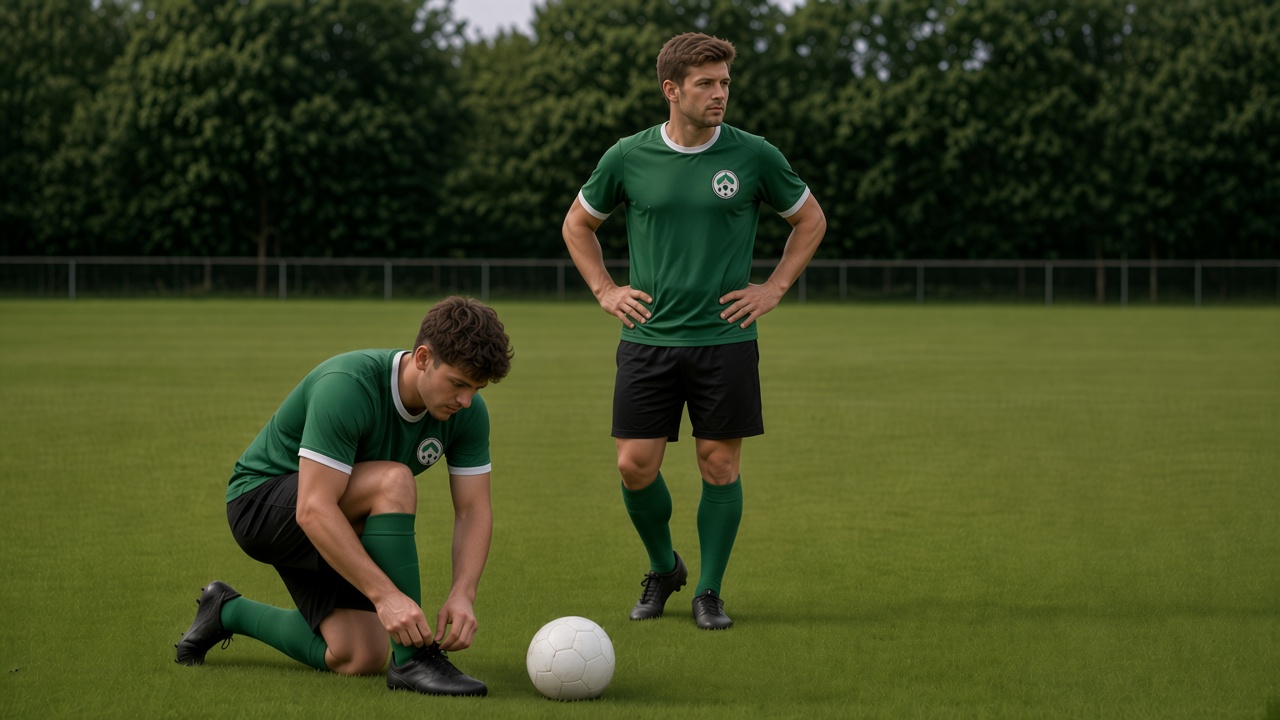
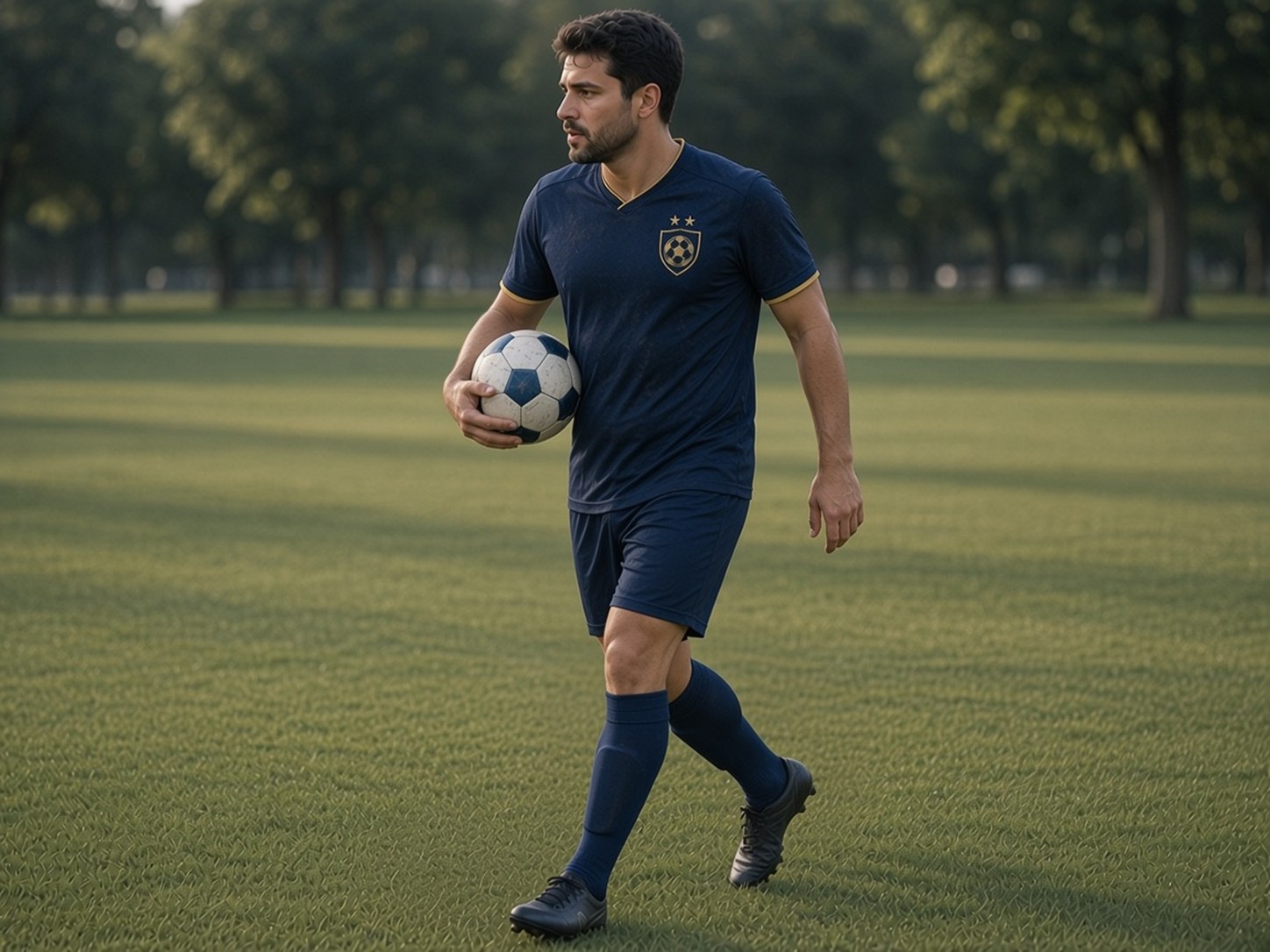
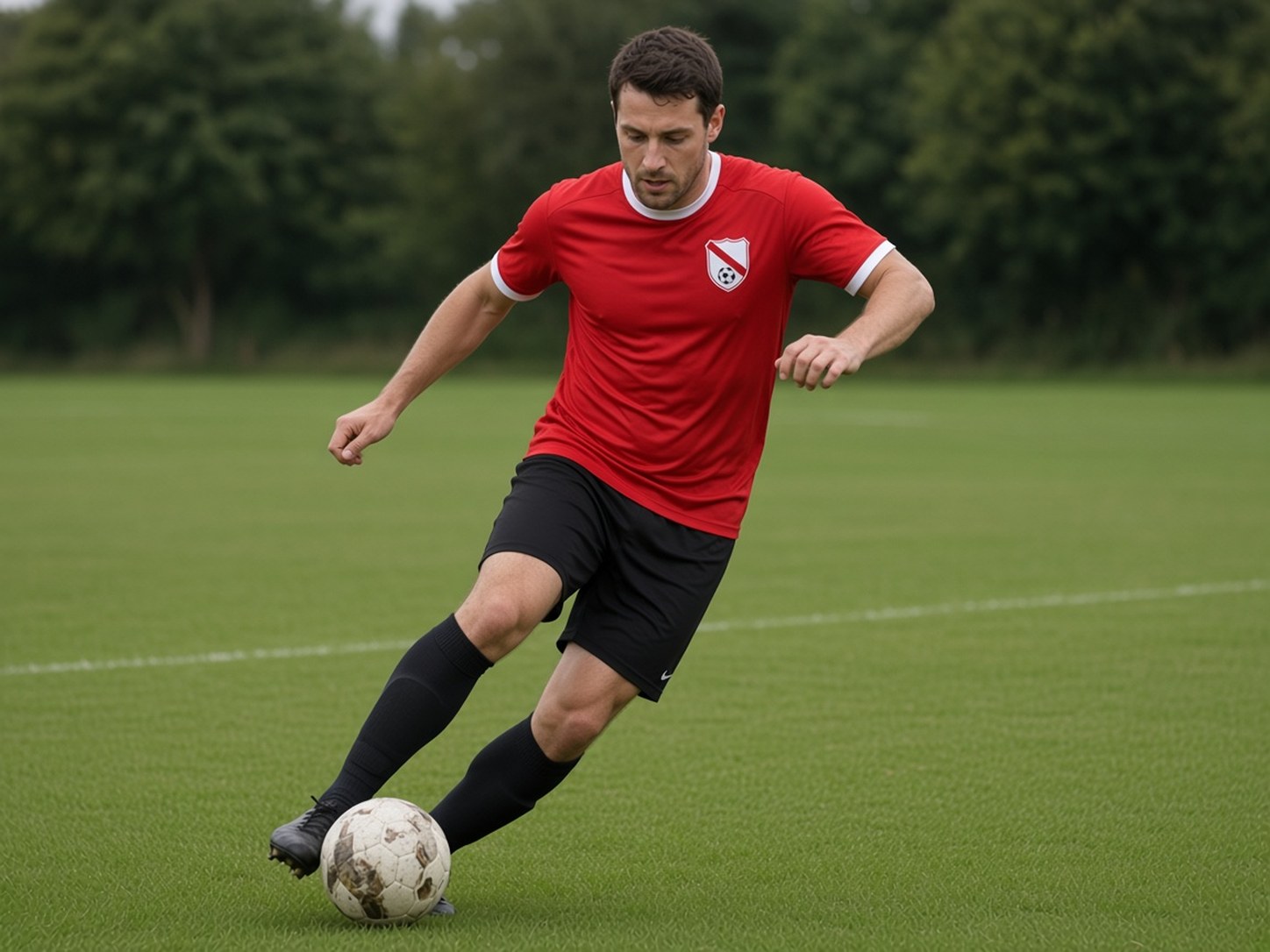
Meet the People Behind MatchdayThe gallery shows challenges for possession, preparation before kickoff, and shots on goal. These scenes highlight the concentration, technique, and teamwork involved in amateur football. The photographs accompany our articles about the game; they do not serve as official match reports. A player shielding the ball shows how positioning can make possession more secure. The nearby opponent has to judge when a challenge is possible without committing a foul. In another scene, the preparation before play reminds us that concentration begins before the first pass. A shot on goal brings together balance, timing, and the choice of where to place the ball. Each image offers a useful connection to the training and tactical topics discussed elsewhere on the site. Photographs also capture the ordinary surroundings of local football: the pitch, the equipment, and the people taking part. Browse the full gallery to see more scenes and use the accompanying descriptions to identify the action shown. For a fuller explanation of a technique or tactical choice, continue to the related articles.
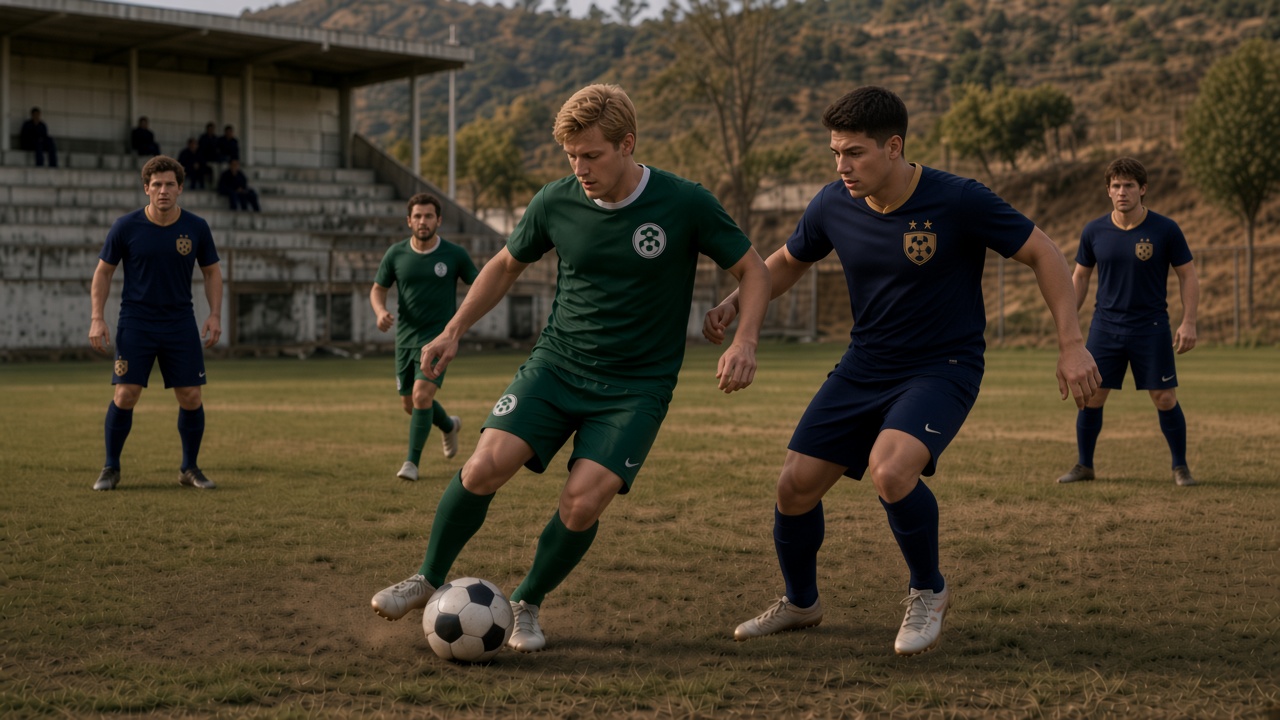
Use the form to ask about an article, a training exercise, or a tactical idea on this site. Include the page title and explain which point you would like clarified. Enter your name, email address, and message to continue to the thank-you page. The form is for enquiries and does not register a team or confirm a fixture. Please leave out sensitive personal information. A useful enquiry gives enough context for the subject to be understood. If you are asking about a formation, describe the positions or movement that caused confusion. For a training exercise, explain which stage you are interested in and what the players are trying to achieve. If a photograph prompted your question, identify the scene rather than relying only on its position in the gallery. You can also mention whether you are reading as a player, coach, or supporter, since that helps explain the perspective of your question. A few clear sentences about the situation are usually more useful than a broad request for advice. The articles provide general explanations, and individual teams will need to discuss their own circumstances with their coaches. Before submitting, check your email address and make sure the message includes the page or topic you intended to refer to. This keeps the enquiry focused and makes its purpose clear. You can consult the preparation section first if you want more background on the terms used in an article. Questions about a particular movement are easier to follow when they explain where the ball and the relevant players were positioned. That level of detail is enough to begin a useful discussion without including private information about anyone involved.
Read Match and Training Articles