Match Stories, Training Notes, Tactical Ideas, and Fair-Play Writing from the League

Read About Passes, Saves, Comebacks, and the Work Between Matches

Explore articles about amateur matches, training, tactics, and fair play. We explain how teams create chances, defend together, and respond when a match becomes difficult. The examples focus on decisions that players and coaches can discuss at training. They illustrate common situations rather than provide official match reports. Each article begins with a situation that can occur on a local pitch. A team may struggle to play out from defence, find that a forward is isolated, or lose concentration after conceding. Looking at the situation in detail helps explain which choices are available and what players need from one another. The discussion also connects matches with training. If a problem can be described clearly, a coach can select an exercise that allows the group to work on it. Readers who mainly watch football can use the same explanations to follow movement away from the ball and understand why a match changes direction. The emphasis is on useful observations rather than predictions. Browse the topics below, choose the part of the game that interests you, and follow the links to preparation, people, and photographs for additional context. Together, the sections explain how individual decisions contribute to the performance of a team.

Ask a Question About a Match Idea or a Training Habit
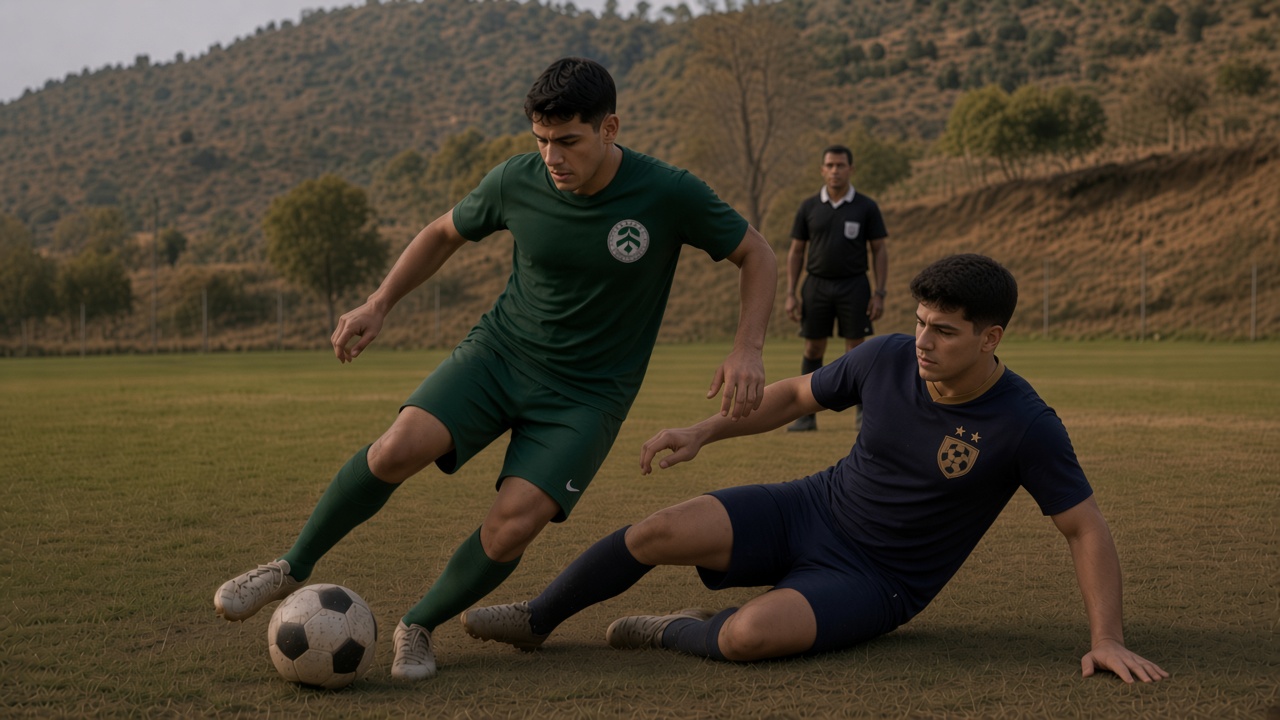
A player in green dribbles as an opponent slides in, with a referee watching

Featured Note / Halftime Changes and the Courage to Simplify

What a Team Can Change at Halftime Without Losing Its Nerve

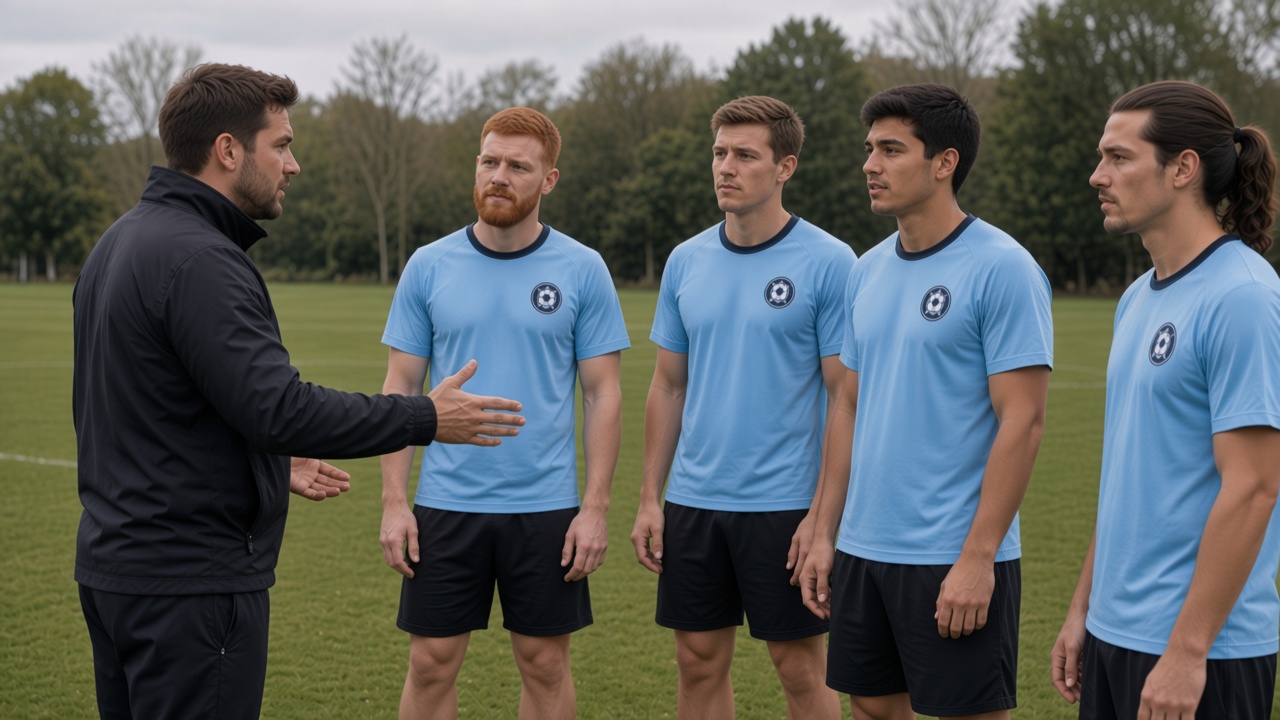
When a team is behind at halftime, a clear discussion can help players refocus. The coach should identify the main problem and choose a few practical adjustments. These might include giving a defender more support, moving the ball faster, or changing a forward's position. Players need to understand what will change and what they should continue doing. A focused plan is easier to apply when play resumes. The first step is to describe what is happening accurately. If the opposition is creating chances down one side, the problem may be a lack of support rather than the ability of one defender. Bringing a midfielder closer could help, but the team also needs to understand who covers the space that player leaves. A good halftime discussion makes those responsibilities explicit. The coach can demonstrate the movement and ask players whether they have noticed a different issue from their positions. There should also be a reminder of what is working. A side that has created chances may need more patience rather than a completely different attacking approach. Before returning to the pitch, players should know the few actions they will try first. The plan can then be reviewed through what happens in play: whether the defender has support, whether passing options appear sooner, and whether the team becomes more organised. Those observations are more useful than judging the adjustment only by the next goal. The final review can identify which changes deserve more practice during the week.

Ask How a Halftime Plan Should Sound in Plain Words
More Notes on Leadership, Shape, Finishing, and Respect Between One Match and the Next

Where to Go Next if You Want the Wider Picture of the League

Share an Email if You Want More Notes on Matches and Training

You can leave an email address to express your interest in articles about matches and training. The form includes the address in the page request and opens a thank-you screen. It does not create an account or confirm a newsletter subscription. Please avoid including sensitive information. The writing is intended for people with different connections to amateur football. A player might be interested in controlling a pass when marked closely. A coach might want a clearer way to explain defensive cover. A supporter may enjoy understanding the movement that created a goal. These interests overlap, and the public articles provide a place to explore them. Leaving an address is an expression of interest in that material rather than a request for a paid service. You can continue reading the match and training pages without using the form. If you have a particular question about an article, the contact page is the more suitable place to explain it and identify the passage you mean. A specific subject gives the enquiry a clear purpose and helps connect it to the relevant football explanation.